Biblical Difference Between Praying At 12 am And 3 am Explained!
Published: 29 Aug 2026

Praying at specific times during the night has been part of Christian practice for thousands of years. Many believers wake up at midnight or early morning to pray and seek God. Two times stand out: 12 am and 3 am. Both times carry meaning in the Bible and in the faith of many Christians. Understanding what makes each hour special, and what the Bible actually does and does not say about them, can help you pray with more confidence and grow closer to God.
Before we compare the two, one truth needs to sit at the center of everything below: the power of prayer is in God, not in the clock. There is no magic hour that forces God’s hand. What the night hours do offer is quiet, focus, and a heart that is willing to seek God when the rest of the world is asleep. That kind of devotion is what Scripture honors.
Why Night Prayer Matters In The Bible
In Bible times, the night was divided into sections called “watches.” The Romans used four watches, and Jesus mentioned them directly: “in the evening, or at midnight, or when the rooster crows, or at dawn” (Mark 13:35). Each watch was a period of a few hours. Midnight and the hours just before dawn each mark a change from one watch to the next, which is part of why they came to be seen as meaningful moments to pray.
Night prayer runs all through Scripture. King David wrote, “At midnight I rise to give you thanks for your righteous laws” (Psalm 119:62). He also said, “On my bed I remember you; I think of you through the watches of the night” (Psalm 63:6). Jesus Himself “went off to a solitary place, where he prayed” very early in the morning while it was still dark (Mark 1:35). These verses show that seeking God in the night is a pattern the Bible clearly honors, no matter which exact hour you choose.
What Does Praying At 12 am Mean?
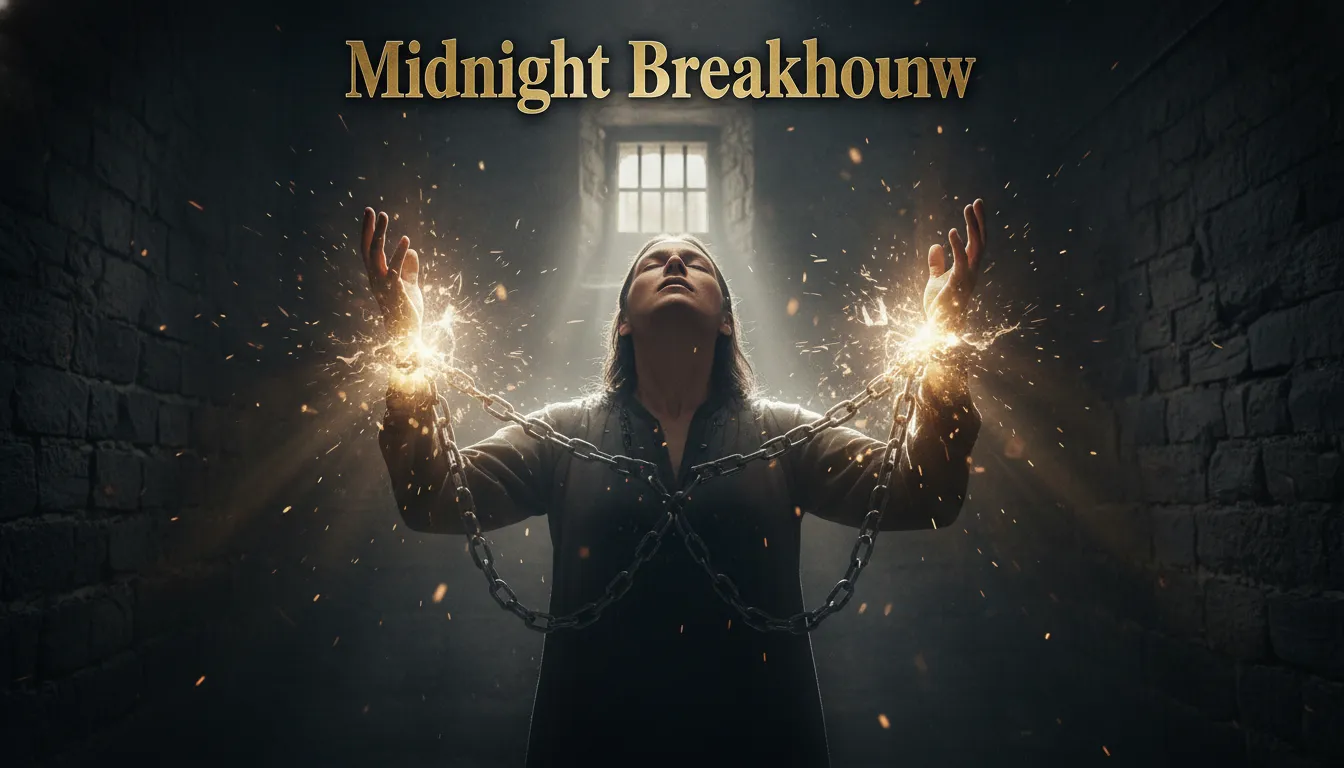
Praying at 12 am (midnight) is a time when many Christians seek breakthrough and power. In the Bible, midnight holds special meaning. When Paul and Silas were locked in prison, “about midnight” they were praying and singing hymns to God. Suddenly a violent earthquake shook the prison, the doors flew open, and everyone’s chains came loose (Acts 16:25-26). God heard them in their darkest hour and set them free. This is why so many believers see midnight prayer as very powerful.
Midnight is also the moment when one day ends and a new day begins. Many Christians treat this as a strong time to pray against problems, to close the door on the struggles of the day that is ending, and to invite God into the day that is starting. When you pray at midnight, you are declaring that you trust God to fight for you and to make a way, even while the rest of the world sleeps.
A Simple Midnight Prayer You Can Pray
Father, at this midnight hour I bring my whole heart to you. Like Paul and Silas, I choose to praise you even in my hardest place. Break every chain that holds me, open every door that has been shut, and give me the strength to keep believing. I close the day that is ending and I welcome the new day in your name. I trust you to make a way for me. Amen.
What Does Praying At 3 am Mean?
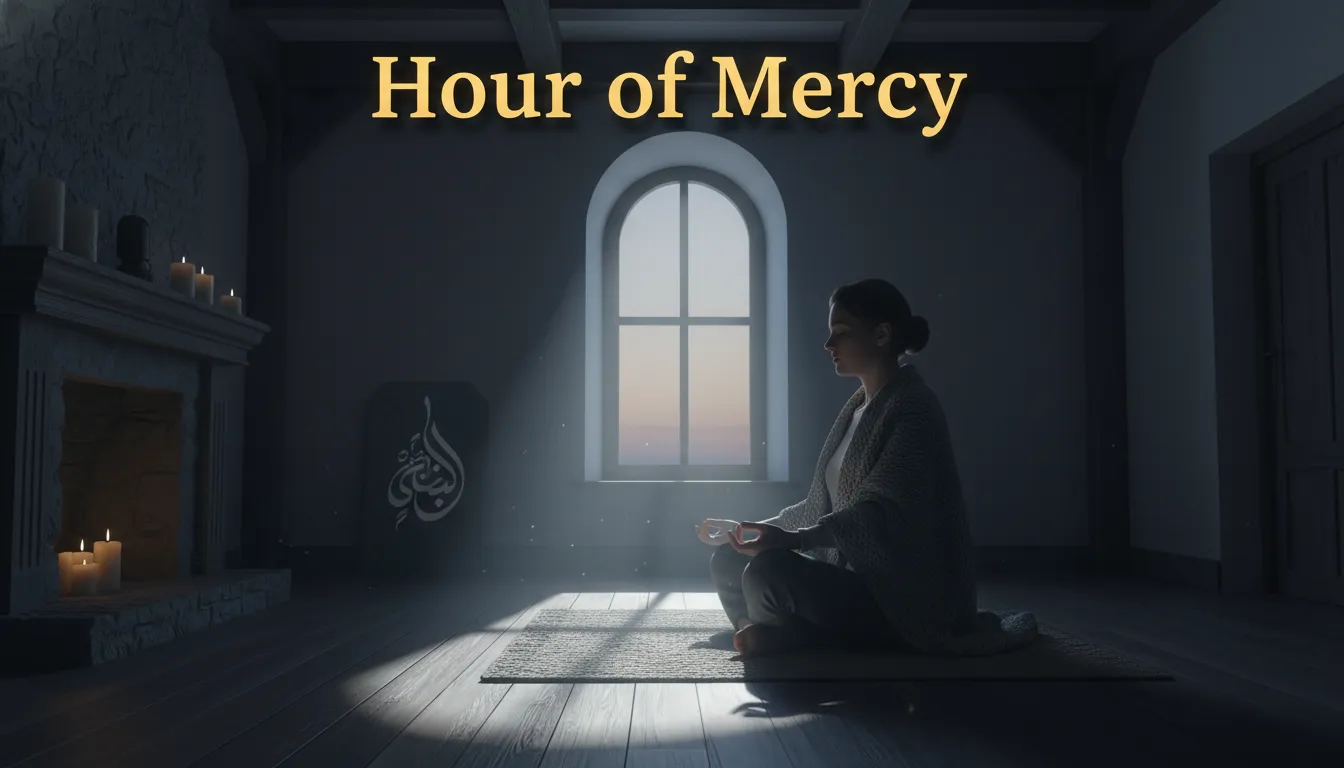
3 am falls in what many Christians call the last watch of the night, the quiet stretch just before dawn. This time is deeply still and peaceful. Fewer people are awake, there are fewer distractions, and it becomes easier to hear God and talk to Him without anything getting in the way. For that reason, many believers describe 3 am as a tender, intimate hour of prayer.
At 3 am, many believers pray for healing, peace, and a closer walk with God. Because Jesus rose “very early in the morning, while it was still dark” to pray (Mark 1:35), many Christians follow His example and seek God in these pre-dawn hours. This is a good time for quiet listening, for asking God for wisdom and direction, and for surrendering the worries that so often wake us in the middle of the night.
A Simple 3 am Prayer You Can Pray
Lord, in the quiet of this early hour I come to sit with you. Thank you for waking my heart to seek you. Calm my mind, speak to me in the stillness, and fill me with your peace. Heal what hurts in my body and in my heart. Give me wisdom for the road ahead, and help me rest in the truth that you never sleep and you are always watching over me. Amen.
Is 3 am Really The “Devil’s Hour”? What The Bible Says
You may have heard 3 am called the “devil’s hour” or the “witching hour.” It is important to be clear and honest here: the Bible never calls 3 am the devil’s hour. That idea comes from folklore, films, and paranormal stories, not from Scripture. Nowhere does God’s Word teach that Satan has authority over a specific hour of the clock.
As believers, we do not need to fear any hour of the day or night. “The one who is in you is greater than the one who is in the world” (1 John 4:4). If you wake at 3 am, you do not need to panic or assume something dark is happening. Instead, you can turn that moment into worship. Many Christians choose to reclaim the early hours by praying, reading Scripture, and thanking God, turning a time some people fear into a time of peace and closeness with Him.
The Main Differences

Both hours are powerful, but they tend to carry a different focus. The table below sums up how many believers approach each time.
| Aspect | Praying at 12 am (Midnight) | Praying at 3 am (Pre-Dawn) |
|---|---|---|
| Main focus | Breakthrough and spiritual warfare | Peace, listening, and intimacy |
| Mood | Bold and declaring | Quiet and reflective |
| Biblical example | Paul and Silas (Acts 16:25) | Jesus praying before dawn (Mark 1:35) |
| Best for | Fighting problems, new beginnings | Healing, wisdom, rest in God |
12 am Prayer Focus:
- Breaking free
- Getting help
- Fighting against evil
- Starting new things
- Getting strength
3 am Prayer Focus:
- Finding peace
- Hearing God’s voice
- Getting healing
- Growing spiritually
- Listening and being quiet
Which Time Is Better For Prayer?

Both times are good for prayer. The time you choose depends on what you need from God. If you are facing big problems and need God to help you break through, then 12 am may be better for you. If you want to be quiet, listen to God, and grow closer to Him, then 3 am may work better.
Some Christians pray at both times. Others pray at one or the other. And many cannot wake at either hour because of work, health, or young children, and that is completely fine. God is not more impressed by the hour on the clock than by the honesty of your heart. What matters most is that you pray with a true heart and believe that God will hear you, whether that is at midnight, at 3 am, or in the middle of your afternoon.
How To Pray At These Times
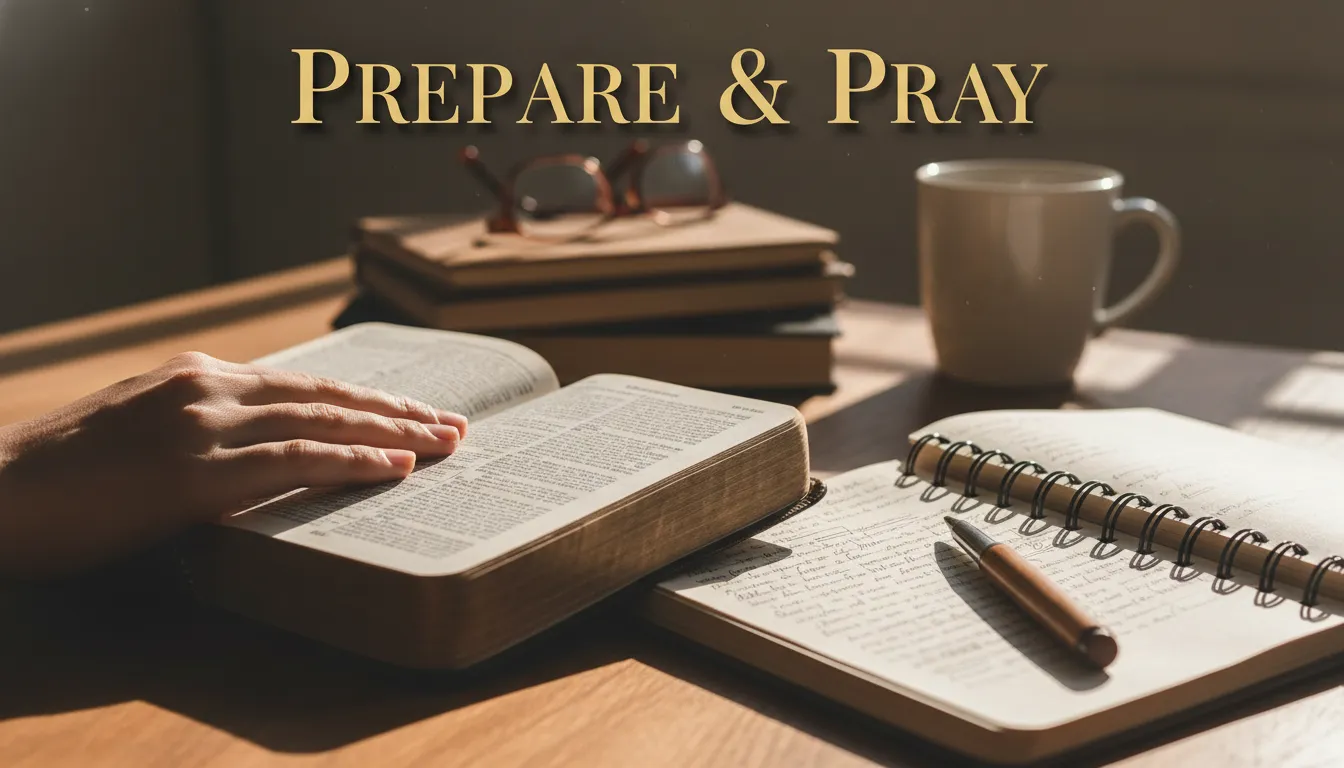
- Get ready. Go to bed a little earlier and, if it helps, set a gentle alarm so you can wake at these times without losing needed rest.
- Have a reason. Know why you are praying. Are you asking for a breakthrough? Are you seeking peace, healing, or direction?
- Read the Bible. Keep your Bible nearby and look for verses that speak to your prayer, so God’s Word can guide your words.
- Pray with faith. Believe that God hears you and will answer in His perfect way and time.
- Be quiet and listen. After you pray, stay still for a few minutes and listen for God to speak to your heart.
- Do not strive. If you miss the hour or fall back asleep, do not feel guilty. God meets you whenever you turn to Him.
Bible Verses About Praying At Night
If you want to build your night prayers on Scripture, these verses are a beautiful place to begin:
- “At midnight I rise to give you thanks for your righteous laws” (Psalm 119:62).
- “On my bed I remember you; I think of you through the watches of the night” (Psalm 63:6).
- “By day the Lord directs his love, at night his song is with me; a prayer to the God of my life” (Psalm 42:8).
- “About midnight Paul and Silas were praying and singing hymns to God, and the other prisoners were listening to them” (Acts 16:25).
- “Very early in the morning, while it was still dark, Jesus got up, left the house and went off to a solitary place, where he prayed” (Mark 1:35).
For more gentle prayers to close your day, you may also like our good night blessings and these Catholic night prayers.
Conclusion
Praying at 12 am and 3 am are both powerful ways to seek God, and both have deep roots in the Bible. The midnight hour is often a time for breakthrough and strength, following the example of Paul and Silas. The 3 am hour is often a time for peace, healing, and quiet listening, following the example of Jesus praying before dawn. You can choose one hour, both, or another time entirely.
Remember that no clock hour is magic and no hour belongs to the enemy. The power is in God and in a heart that truly seeks Him. Whether you pray at midnight, in the early morning, or whenever you are able, you are drawing closer to God and building a faith that will carry you through every season. Pray with a sincere heart, trust that God hears you, and let the quiet of the night become one of your sweetest times with Him.
Neither hour is better in God’s eyes. Many believers pray at midnight for breakthrough and strength, and at 3 am for peace and quiet listening. Choose the time that fits your need and your schedule, because God values a sincere heart far more than a specific hour.
Waking at 3 am can have natural causes like sleep cycles or stress, but many Christians also believe God can gently wake us to seek Him in the quiet hours. If you wake, you can simply use the moment to pray, thank God, or read Scripture, then rest again in His peace.
No. The Bible never calls 3 am the devil’s hour. That idea comes from folklore and films, not Scripture. Believers do not need to fear any hour, because the One who is in us is greater than the one who is in the world (1 John 4:4).
The Bible shows midnight as a meaningful time of prayer. Paul and Silas prayed and sang at midnight and God freed them from prison (Acts 16:25-26), and David wrote that he rose at midnight to give thanks (Psalm 119:62). These examples show midnight as a powerful time to seek God.
That is completely fine. God is not limited to a clock hour, and He hears you whenever you pray. If work, health, or family make night prayer difficult, pray at whatever time you can. A faithful daytime prayer is just as precious to God as a midnight one.






- Be Respectful
- Stay Relevant
- Stay Positive
- True Feedback
- Encourage Discussion
- Avoid Spamming
- No Fake News
- Don't Copy-Paste
- No Personal Attacks
- Be Respectful
- Stay Relevant
- Stay Positive
- True Feedback
- Encourage Discussion
- Avoid Spamming
- No Fake News
- Don't Copy-Paste
- No Personal Attacks
